
Embracing Diversity in Kindergarten
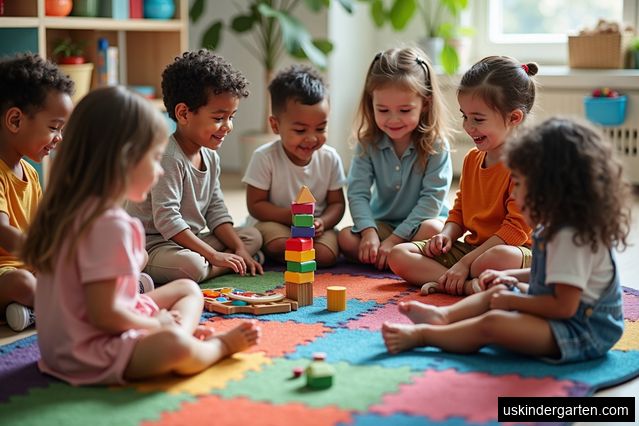
Kindergarten is a crucial time in a child's development, where they begin to interact with peers from different backgrounds. The presence of cultural diversity in kindergarten classrooms offers numerous benefits. Firstly, it fosters a sense of inclusivity and empathy among students. By learning and playing alongside children from different cultures, students develop a broader understanding of the world and learn to appreciate different perspectives. This exposure helps build a foundation for tolerance and respect.
Promoting Language Development
Cultural diversity in kindergarten classrooms provides an excellent opportunity for language development. Children naturally pick up new languages when exposed to them at an early age. By interacting with classmates who speak different languages, students have the chance to learn new words and phrases. This exposure not only enhances their linguistic abilities but also enables them to communicate with a wider range of individuals. Bilingual or multilingual kindergarteners can serve as valuable language resources for their peers, creating a collaborative and inclusive learning environment.
Cultural Exchange and Learning
Kindergarten classrooms that celebrate cultural diversity provide a platform for cultural exchange and learning. Teachers can incorporate multicultural activities, stories, and celebrations into the curriculum, allowing students to explore different customs, traditions, and histories. This exposure not only enriches their knowledge but also fosters a sense of curiosity and appreciation for other cultures. Furthermore, cultural exchange in the classroom helps break stereotypes and promotes a positive perception of diversity, preparing students to become global citizens.
Building Social Skills
Interacting with classmates from different cultural backgrounds enhances students' social skills. They learn to navigate and communicate effectively in diverse settings, promoting adaptability and empathy. Kindergarten is a crucial period for developing social skills, and exposure to cultural diversity facilitates the development of open-mindedness and appreciation for different perspectives. These skills are essential for building successful relationships and collaborating with individuals from various backgrounds later in life.
The Importance of Parental Involvement
Parental involvement plays a vital role in supporting cultural diversity in kindergarten classrooms. Parents can contribute by sharing aspects of their culture, participating in multicultural events, and volunteering in the classroom. This involvement not only enriches the classroom environment but also strengthens the bond between home and school. Collaborative efforts between teachers and parents create a nurturing environment where cultural diversity is celebrated and valued.
Developing Global Citizens
Kindergarten is the foundation for a child's educational journey. By embracing cultural diversity in this early stage, we are nurturing the development of future global citizens. Students who grow up in diverse classrooms are more likely to appreciate and respect cultural differences throughout their lives. They become advocates for inclusivity and equality, fostering a more harmonious and accepting society.